

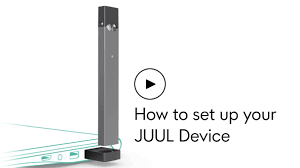
JUUL devices are compact electronic vaping systems designed for adult nicotine users. They are among the most recognized pod-based vape devices and are known for their small size, rechargeable battery, and pre-filled pods. Since their introduction, pod systems like JUUL have influenced the design of many modern vaping devices because of their simplicity and portability.
A JUUL device generally consists of two main components:
- The battery device
- A replaceable pod containing e-liquid
The battery section powers a heating element inside the pod. When the user inhales, the device detects airflow and heats the liquid into an aerosol. Unlike older vape devices that often included buttons and large tanks, JUUL products are designed with a minimal interface.
Basic Device Structure
Most JUUL-style devices contain:
Battery Unit
The battery provides power to the device. It is rechargeable and typically uses a magnetic charging dock or USB charging accessory.
Pod Cartridge
The pod contains:
- E-liquid
- Nicotine (depending on the version)
- Coil or heating element
- Mouthpiece
Pods are usually disposable and replaced when empty.
LED Indicator
Many pod systems use a small LED light to communicate:
- Battery level
- Charging status
- Connection problems
- Device activity
How Pod-Based Vape Devices Typically Function
Although different brands vary slightly, many pod systems share common operating principles.
Draw Activation
Most modern pod systems are “draw activated.” This means the device turns on automatically when airflow is detected during inhalation. Internal sensors monitor airflow and activate the heating element for a short period.
This design removes the need for large buttons or manual ignition systems.
Internal Heating System
Inside the pod is a metal coil surrounded by absorbent material. When powered:
- The coil heats up
- The liquid absorbs heat
- Aerosol is produced
The aerosol is then inhaled through the mouthpiece.
Rechargeable Battery Technology
Most compact vape devices use lithium-ion batteries because they:
- Hold charge efficiently
- Recharge quickly
- Fit inside small devices
Battery performance can decline over time due to repeated charging cycles.
Common Features Found in JUUL-Style Devices
Compact Design
One reason pod systems became popular is their small and lightweight form factor. They are designed to fit easily into pockets or bags.
Magnetic Connections
Many pod systems use magnetic charging docks and pod connections for convenience.
Leak Resistance
Manufacturers often design pods to reduce leakage and condensation buildup.
Nicotine Salt Formulations
Some pods use nicotine salt e-liquids, which are designed to deliver nicotine differently from traditional freebase nicotine formulas.
Important Safety Information
Nicotine Risks for Teens
Many vape pods contain nicotine, which is highly addictive. Health organizations warn that nicotine exposure during adolescence can affect attention, learning, and brain development.
Young people are generally advised not to use nicotine products.
Battery Safety
Rechargeable devices should always be handled carefully:
- Avoid exposing batteries to water
- Do not use damaged charging cables
- Keep devices away from extreme heat
- Stop using devices that overheat
Unknown Long-Term Effects
Researchers continue studying the long-term health effects of vaping aerosols. While some adults use vaping products as alternatives to combustible cigarettes, health experts still caution that vaping is not risk-free.
Why Devices Like JUUL Became Popular
Several factors contributed to the popularity of pod systems:
Simplicity
Compared to larger vape mods, pod systems require less maintenance.
Portability
Small size makes them easier to carry.
Minimal Controls
Most devices operate automatically without complicated settings.
Consistent Delivery
Pre-filled pods provide standardized liquid quantities and flavor profiles.
Environmental Concerns
Disposable pods and electronic waste have raised environmental concerns. Common issues include:
- Plastic waste
- Lithium battery disposal
- Packaging waste
Many regions encourage proper electronic recycling practices for used devices and batteries.
Regulations and Age Restrictions
In many countries, vaping products are regulated by law. Regulations may include:
- Minimum age requirements
- Flavor restrictions
- Advertising limitations
- Nicotine concentration limits
Rules vary depending on location.
Alternatives to Nicotine Products
For teens and non-smokers, health professionals generally recommend avoiding nicotine entirely. Some healthier alternatives for stress relief or habits include:
- Exercise
- Sports
- Music
- Creative hobbies
- Mindfulness activities
- Talking with supportive friends or family
Final Thoughts
JUUL devices are examples of compact pod-based vaping technology designed for adult users. They combine rechargeable batteries, pre-filled pods, and automatic airflow activation into a small portable system. While these devices are known for convenience and simple operation, they also raise important health, addiction, and environmental concerns.
Understanding how these products function from a technical and educational perspective can help people make informed decisions. Health experts continue to emphasize that nicotine products are not recommended for teens, young adults, or non-smokers