

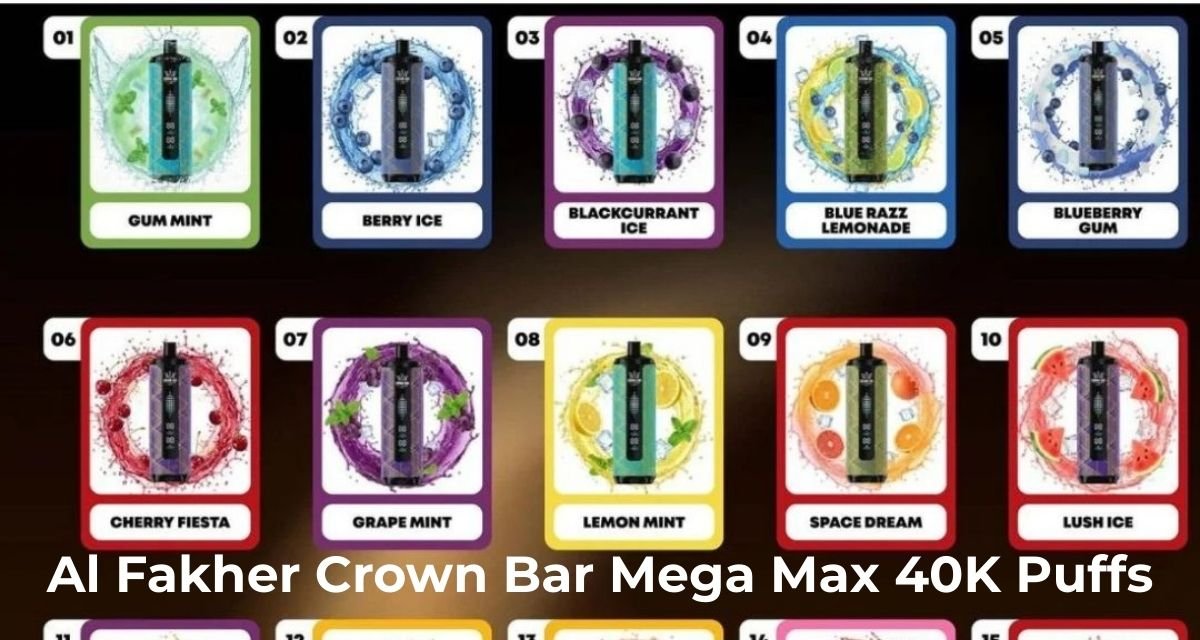
In recent years, disposable vaping devices advertising very high puff counts — including models that claim 40,000 puffs in a single unit — have grown increasingly visible in global markets. These devices are marketed to consumers as long-lasting alternatives to traditional single-use vapes, often emphasizing convenience, a wide range of flavors, and an extended lifespan. To understand what these products are and what they mean for users, it’s important to look beyond the marketing language and explore how they function, what they contain, and what risks and regulatory issues they raise.
What Are High-Puff Disposable Vaping Devices?
Disposable vaping devices are self-contained electronic products that deliver aerosolized liquid (commonly called “vapor”) to users when inhaled through a mouthpiece. Unlike refillable systems, disposables are pre-filled with e-liquid and have internal batteries that cannot be recharged or refilled; once the liquid or battery is depleted, the entire device is discarded.
The concept of a 40,000-puff device is simply a marketing label that suggests the unit contains sufficient liquid and battery capacity to generate approximately 40,000 inhalations (or “puffs”) before it stops working. In practice, the actual number of puffs a user gets can vary dramatically depending on how the device is used — such as how long each inhalation is, the frequency of use, and the resistance and efficiency of the internal components.
How Do These Devices Work?
Although specific designs differ by manufacturer, most disposable vaping devices share common components:
- Battery: A small internal lithium-ion battery that provides power to heat the coil.
- Heating Coil: An element that heats the e-liquid, producing an aerosol.
- Wick and Chamber: Material (often cotton) that holds and transports the e-liquid to the coil.
- Pre-filled E-Liquid: A reservoir of e-liquid that may contain nicotine, flavorings, and other chemicals.
- Mouthpiece: The part of the device from which the user inhales.
When a user inhales through the mouthpiece, the device activates the battery, which heats the coil. The e-liquid vaporizes, and the user inhales the resulting aerosol. There is no option to recharge or refill — once the liquid or battery is spent, the device is discarded.
Why the “Puff Count” Is Misleading
Puff count numbers like 40,000, 20,000, or 10,000 are promotional figures rather than precise measurements. There are several reasons why they should be viewed with caution:
- User Behavior Varies: A puff lasting 1 second differs markedly from a 4-second draw; actual puffs per device will vary widely between individuals.
- Technical Variations: Differences in coil resistance, battery power, and airflow all affect how quickly e-liquid is consumed.
- Inconsistent Standards: There is no universal testing standard for “puff count” that applies across all brands; what one manufacturer calls 40,000 puffs might not match another’s methodology.
Thus, puff-count claims are best interpreted as rough indicators of relative capacity rather than exact, reliable figures.
What’s Inside the E-Liquid?
E-liquid in disposable vapes typically contains some combination of:
- Propylene Glycol (PG) and Vegetable Glycerin (VG): Base liquids that help create vapor.
- Nicotine: In many products, nicotine is present in concentrations ranging from low to high. Some devices use nicotine salts, which allow for higher nicotine concentration with a smoother throat sensation.
- Flavorings: A wide variety of flavor compounds, which may include fruit, candy, menthol, tobacco, or other profiles.
- Other Additives: Some formulations may include compounds designed to affect throat hit, sweetness, or vapor density.
Notably, while PG and VG are generally recognized as safe for ingestion, inhaling them as aerosols is a different exposure route, and long-term effects are still subjects of study.
Health and Safety Considerations
Understanding what happens when someone uses a vaping device is critical to appreciating both short-term and long-term health implications.
Nicotine Dependence
Many high-puff disposable devices contain nicotine, an addictive substance. Nicotine stimulates the nervous system and, with repeated use, leads to dependence. For people who are not already nicotine users — particularly youth — exposure to nicotine can have lasting effects on brain development and addiction pathways.
Respiratory Exposure
Although vaping eliminates combustion (and thus many harmful products found in cigarette smoke), inhaling aerosolized chemicals is not without risk. Studies have identified various volatile organic compounds, ultrafine particles, and other substances in vapor that may affect lung tissue and respiratory health over time.
Flavoring Risks
Flavoring compounds approved for food use aren’t necessarily safe when heated and inhaled. Certain chemical flavorings — especially buttery or creamy agents containing diacetyl — have been associated with respiratory conditions in occupational settings, though their role in vaping-related lung injury is still being researched.
Battery and Device Safety
Lithium-ion batteries, if damaged or improperly manufactured, can overheat or fail, leading to burns or fires. While rare, such events have been reported with various electronic products.
Youth Use and Public Health Concerns
One of the biggest points of concern among public health officials worldwide is the rise in vaping among adolescents and young adults. The appealing flavors, sleek designs, and aggressive marketing of disposable devices have contributed to increased experimentation and use among non-smokers, particularly young people.
Many public health agencies emphasize that no nicotine product is safe for youth, and they advocate for policies that restrict flavor availability, marketing practices, and retail access to reduce initiation among non-smokers